From the Classroom to AI Research: A Lifelong Learner’s Next Chapter by Carrie Preddy

Share This
TechUP newsletters had been landing in my inbox for a long time, but as a single mother to my two gorgeous children, my focus was on establishing our lives as a unit of three, with anything that wasn’t essential, like career development taking a backseat.
I currently lead the Computer Science department for a large online school, where we are constantly evaluating and utilising emerging technologies, such as AI assessment systems and VR. I’ve taught a range of Computing and ICT qualifications over the last 20 years, and when the “Artificial Intelligence: Foundations for Practice and Research” course came up at the start of this year, it felt like the right time to stop talking about development of technology and become more actively involved.
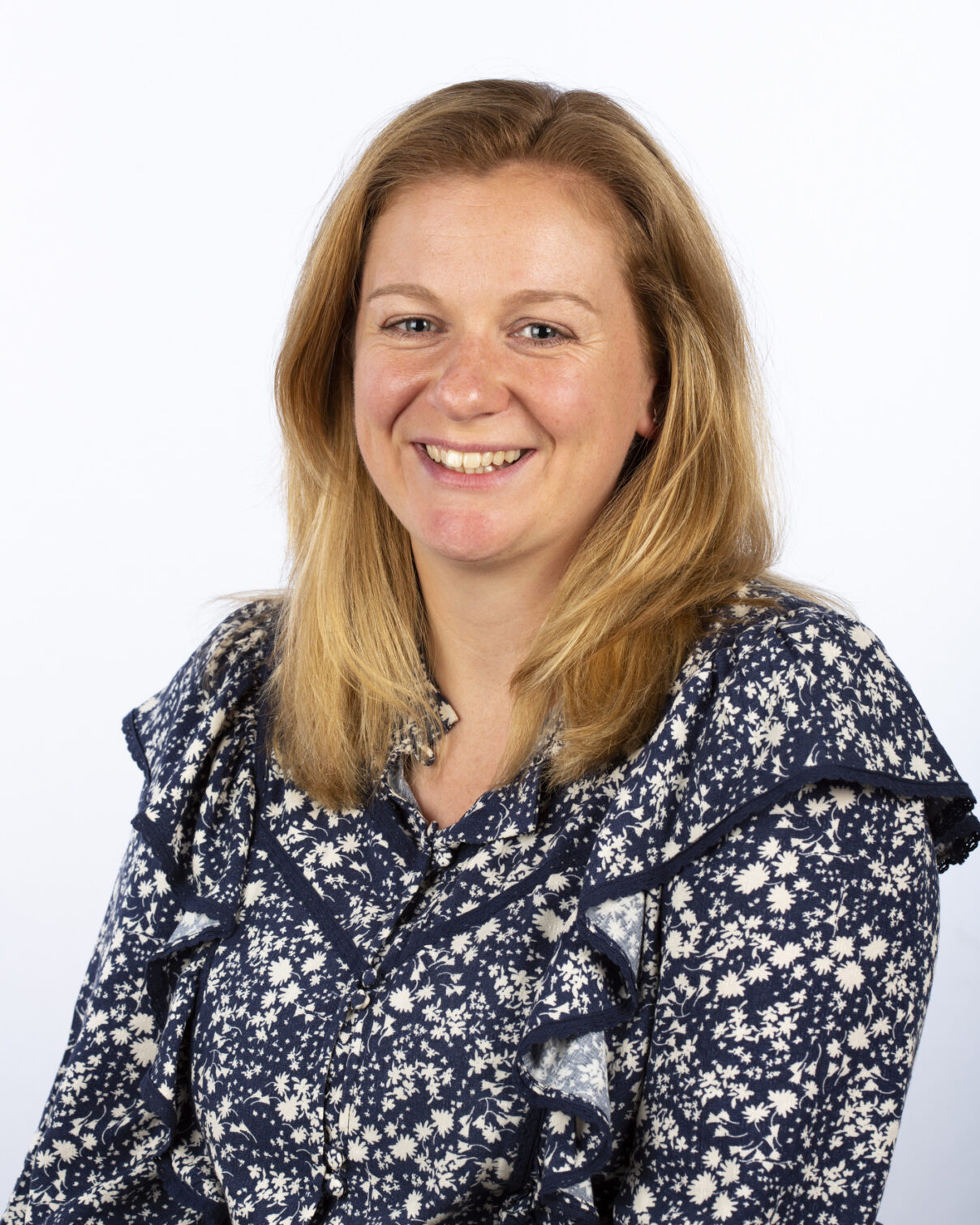
I had a bit more free time in the evenings as my children were older, and as a passionate lifelong learner I was chomping at the bit to get back into learning. I’m keen for my children to see that learning doesn’t stop when school does; I wrote the dissertation for my MA in Education with my 12-week-old son on my lap and always have piles of books on the go – a habit my children are now picking up too!
“Artificial Intelligence: Foundations for Practice and Research” felt like the right choice for me as it takes a holistic view of AI; on the course we spent as much time looking at the ethical and social impact of AI as the technical tools and techniques behind the systems.
My original aim when signing up was to improve my knowledge of AI so I would be a better classroom teacher. As the course progressed, I realised I wanted more than to just disseminate the new knowledge I was learning to my own students.
One of the key aspects covered was the increasing number of opportunities available in AI, such as funded PhDs. For my capstone project I put together an application for a funded PhD at the University of Bristol. The deadline was too tight for me to meet alongside parenting and working full time, so I used it as an opportunity to put together a case study and personal statement, so when another PhD opportunity came up, I would be ready and prepared.
Presenting my capstone project to the group was an utter delight, I have never had such a positive and receptive audience!
It made me realise the importance of expanding our network beyond our usual colleagues, friends and family – it was a breath of fresh air and put fire in my belly to prioritise my professional development now that my family are getting older and I have more headspace to develop new skills.
My next steps have been actioned far quicker than I planned, as the deadline for the PhD at the University of Bristol was extended, so I fine-tuned my application and actually submitted it. It is currently under review and I should hear in the next few weeks whether I have been successful.
Whichever way this PhD application goes, thanks to the TechUP team, I know I’m ready and capable to pursue a career in AI, whether in Education, or another domain such as BioTech.
As a carrier of the Cystic Fibrosis gene, I have seen first-hand the impact technologies such as AI have had on genetic conditions, and the speed with which developments are being made. I could talk for hours about DeepMind’s adaptation of AlphaGo into AlphaFold and the impact it had on the scientific community – my long term goal is to play a part in the development of an AI system that makes the same level of difference that AlphaFold has!