
TechUP Brazil
TechUP Brazil
Inclusive Digital Skills for Employability and Transnational Education
Project Overview
Funded by the British Council as part of the Transnational Education Strategy 2025-27, this 17-month project is the only one selected to collaborate with Brazil (max. 1 project per country). It leverages the UK TechUP model and experiences from the MESSENGER project to co-develop a transnational education (TNE) initiative focused on employability and inclusion.
The grant is with Universidade Federal do Amazonas – Distance Education Center (CED/UFAM, Brazil), Universidade do Estado de Santa Catarina (UDESC, Brazil), Universidade Federal Rural de Pernambuco (UFRP, Brazil).
The TechUP team are very excited to be taking part in this project, sharing our experience with the Brazillian team so that the TechUP model can be applied to new tech training programmes in Brazil.

Project Objectives
- 1. Diversify UK TNE provision by addressing barriers to academic and research qualifications.
- 2. Enhance employability skills through digital and socio-emotional training.
- 3. Expand access to higher education for disadvantaged communities in Brazil, with emphasis on remote areas of the Amazon and southern regions.
Project Team
TechUP Team, UK:
Brazil Team
Project Diary
WC 28/09/2026 – Listening, Learning and Understanding Context in the Amazon
The first phase of our TechUP Brazil visit has taken us from Manaus into the Amazon region, where we have spent time listening to communities, learning from local experiences, and building relationships with partners who are helping to shape the future direction of the project.
Over the course of the week, we visited communities in and around Novo Airão and the Anavilhanas Archipelago, meeting women, community leaders and local organisations to better understand their experiences of education, technology, work and opportunity.

We are incredibly grateful to Dra. Elaine Harada, Associate Professor at the Federal University of Amazonas, who hosted the first phase of our visit, and to the wider UFAM team who supported interviews, translation, photography and community engagement:
- Dra. Elaine Harada – Host and Associate Professor, Institute of Computing, Federal University of Amazonas
- Jurandir Moura Dutra – Academic colleague, Federal University of Amazonas
- Ilmara Monteverde Martins Ramos – PhD Student
- Priscilla Nascimento Santos – PhD Student
- Deborah Evelyn Cardoso Abecassis – Translation and Photography Support
- Mitca Harada Teixeira de Oliveira – Translation and Photography Support
Meeting Women from Indigenous Communities
Across the first phase of the visit, we conducted interviews and discussions with approximately nine women across three communities. Participants spoke about education, entrepreneurship and creating opportunities for future generations, while also sharing the realities of living in geographically isolated areas.
One of our first visits was to Associação dos Artesãos de Novo Airão (AANA), where we met women from three Indigenous communities who work together through a community-led artisan association.
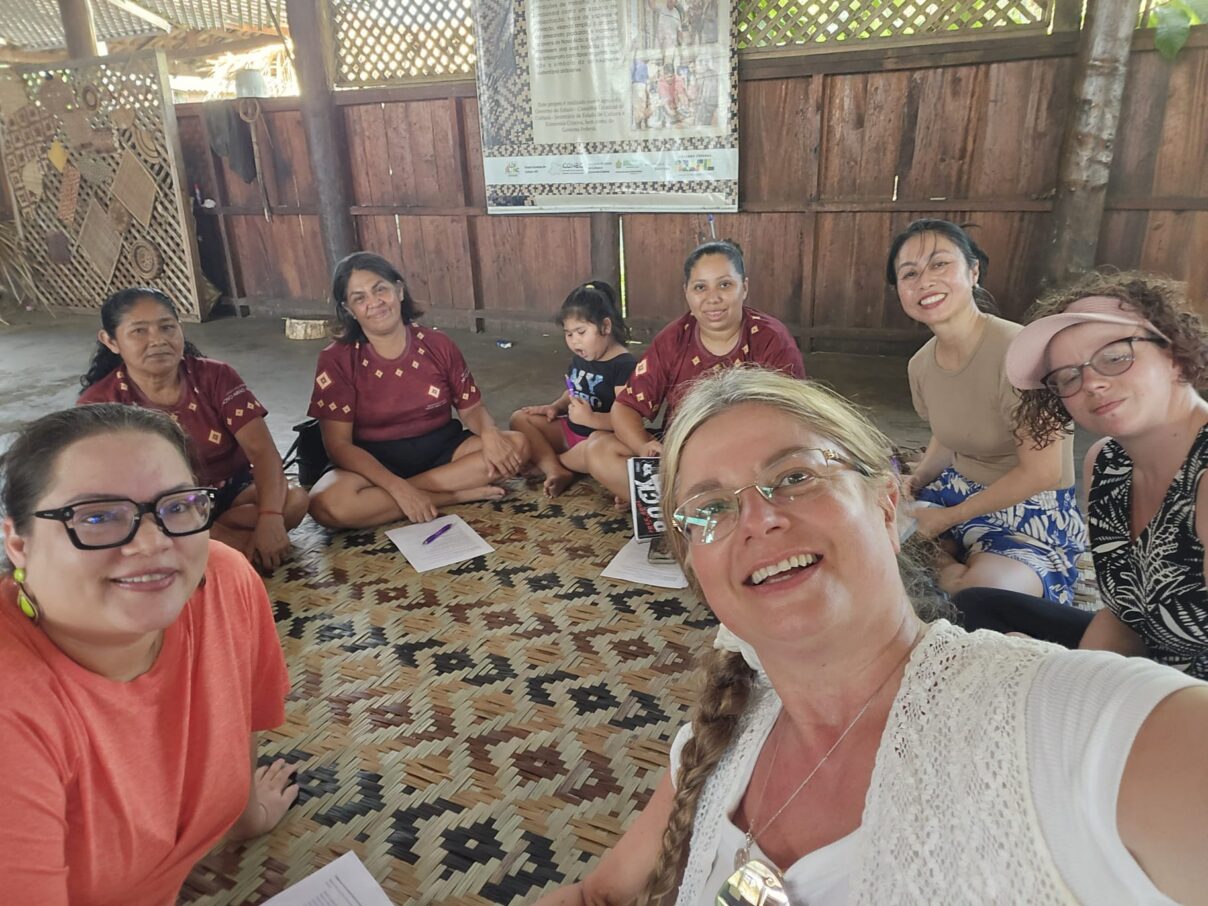
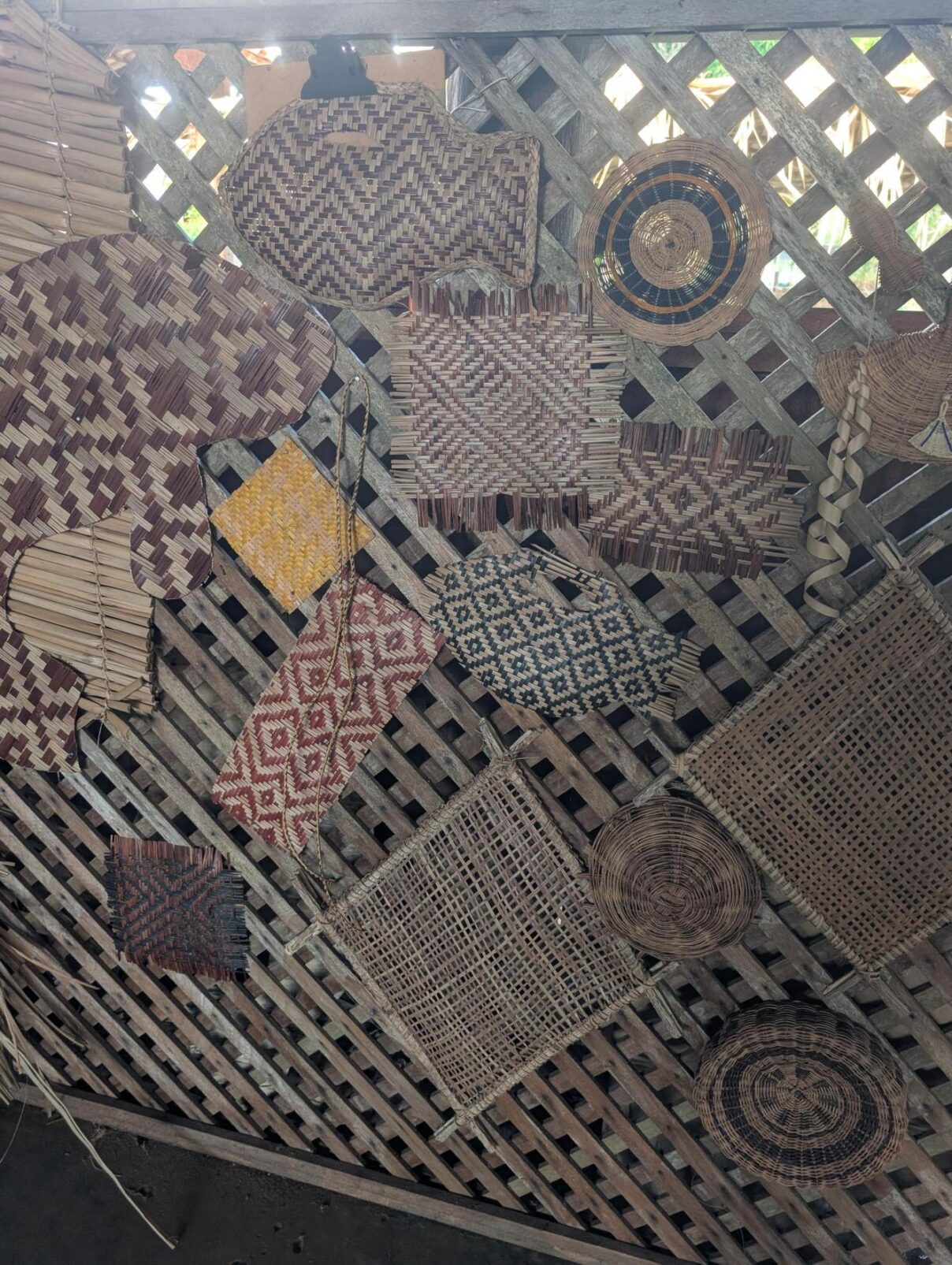
The women described how handcrafted products provide both an important source of income and a way of preserving culture, identity and traditional knowledge. While internet access has reached their communities, access to devices remains limited, with mobile phones often serving as the primary digital device.
Several participants expressed a strong interest in developing their digital skills, particularly where these could support communication, learning and small businesses.
Learning from Community Organisations
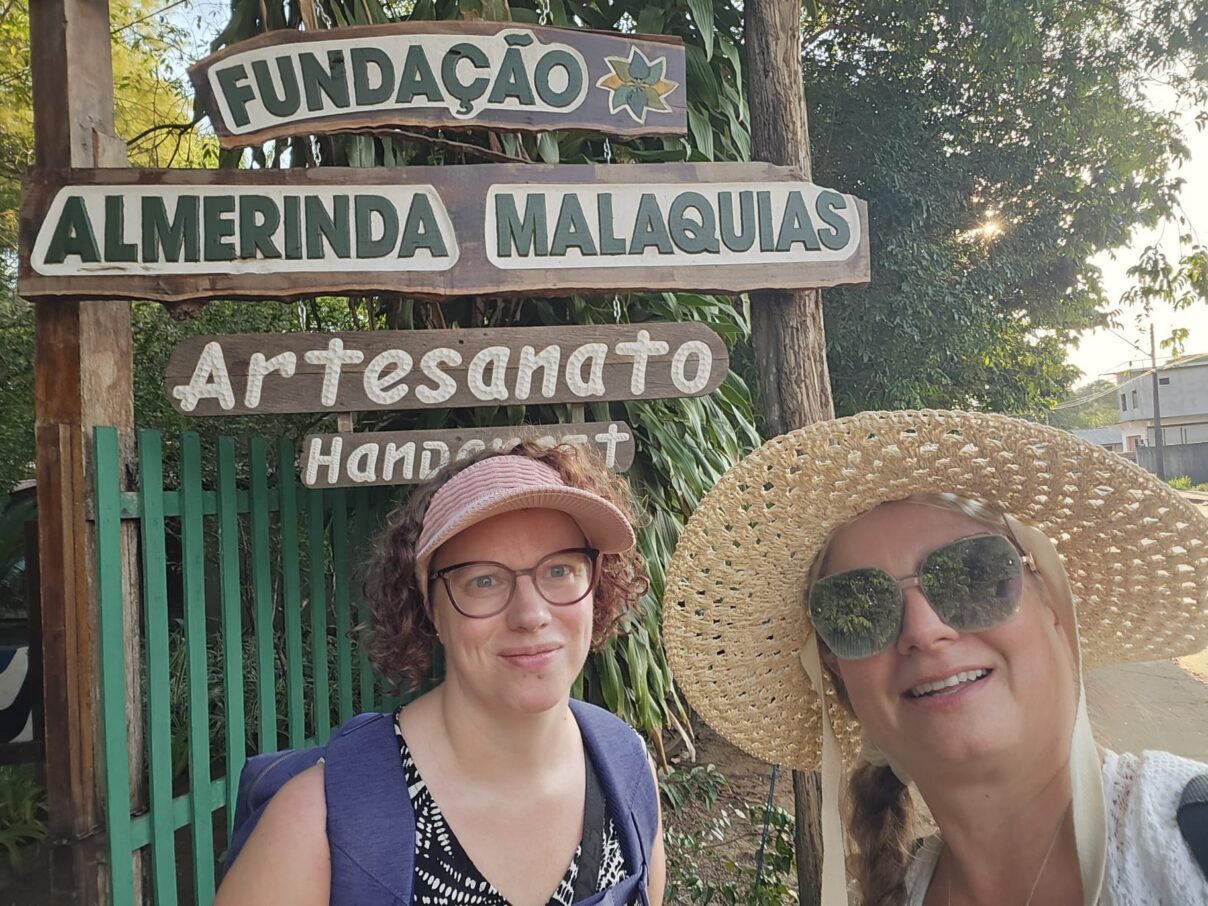
We also visited Fundação Almerinda Malaquias (FAM), an organisation supporting riverside communities through environmental education, skills development and sustainable livelihood programmes.
Conversations highlighted how learning opportunities can support independence, confidence and long-term resilience, while also contributing to environmental sustainability and local economic development.
Visiting a Riverside Community
A particular highlight was travelling through the Anavilhanas Archipelago to visit a riverside community located on one of the islands.
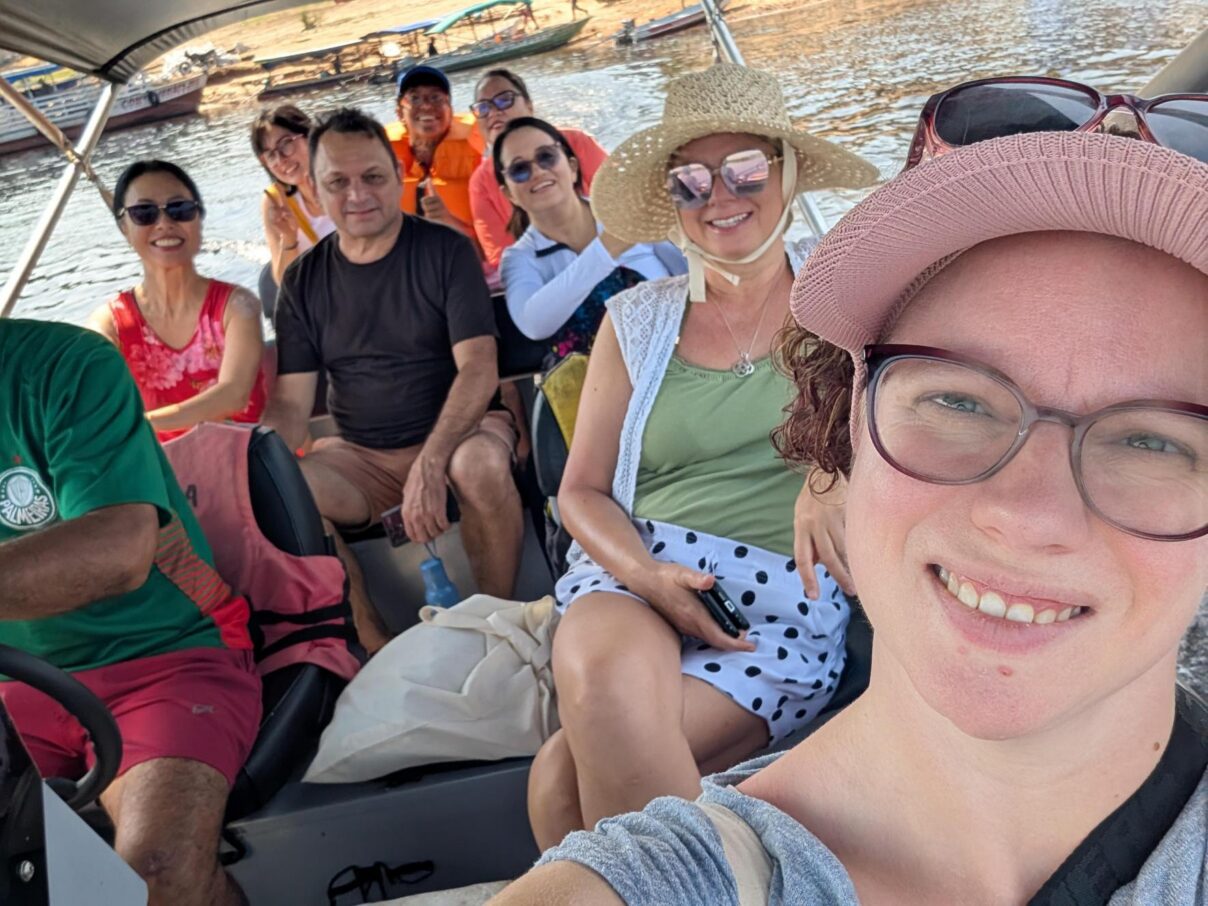
The community relocated to its current location approximately 25 years ago and today supports a small number of families whose lives remain closely connected to the river.
Community leaders spoke openly about access to education, healthcare, technology and public services. We were able to visit the school, church, meeting spaces and wider community, helping us better understand daily life beyond the formal interviews.
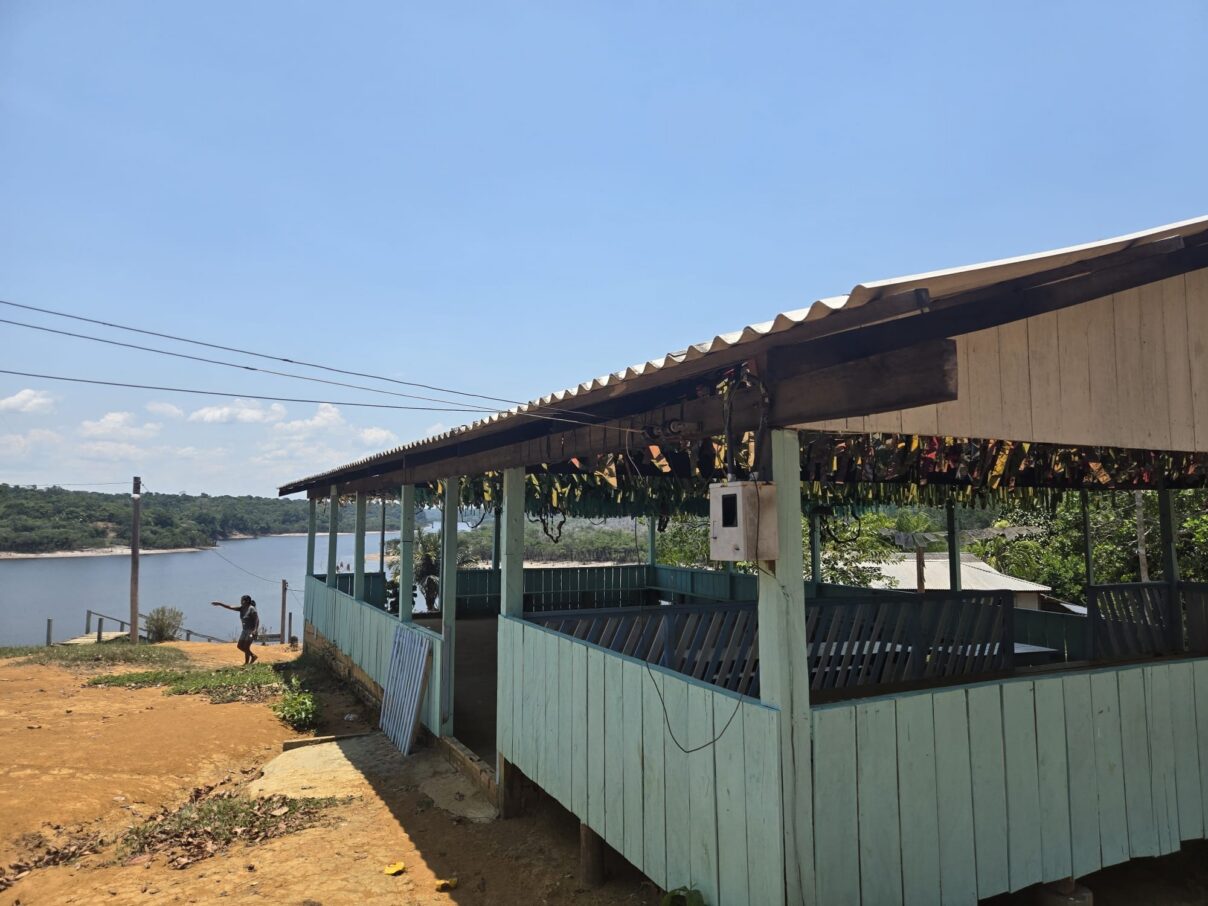
A recurring theme was the desire to access education and training without having to leave home. Many participants expressed a preference for learning opportunities that could be delivered locally or accessed flexibly around existing commitments.
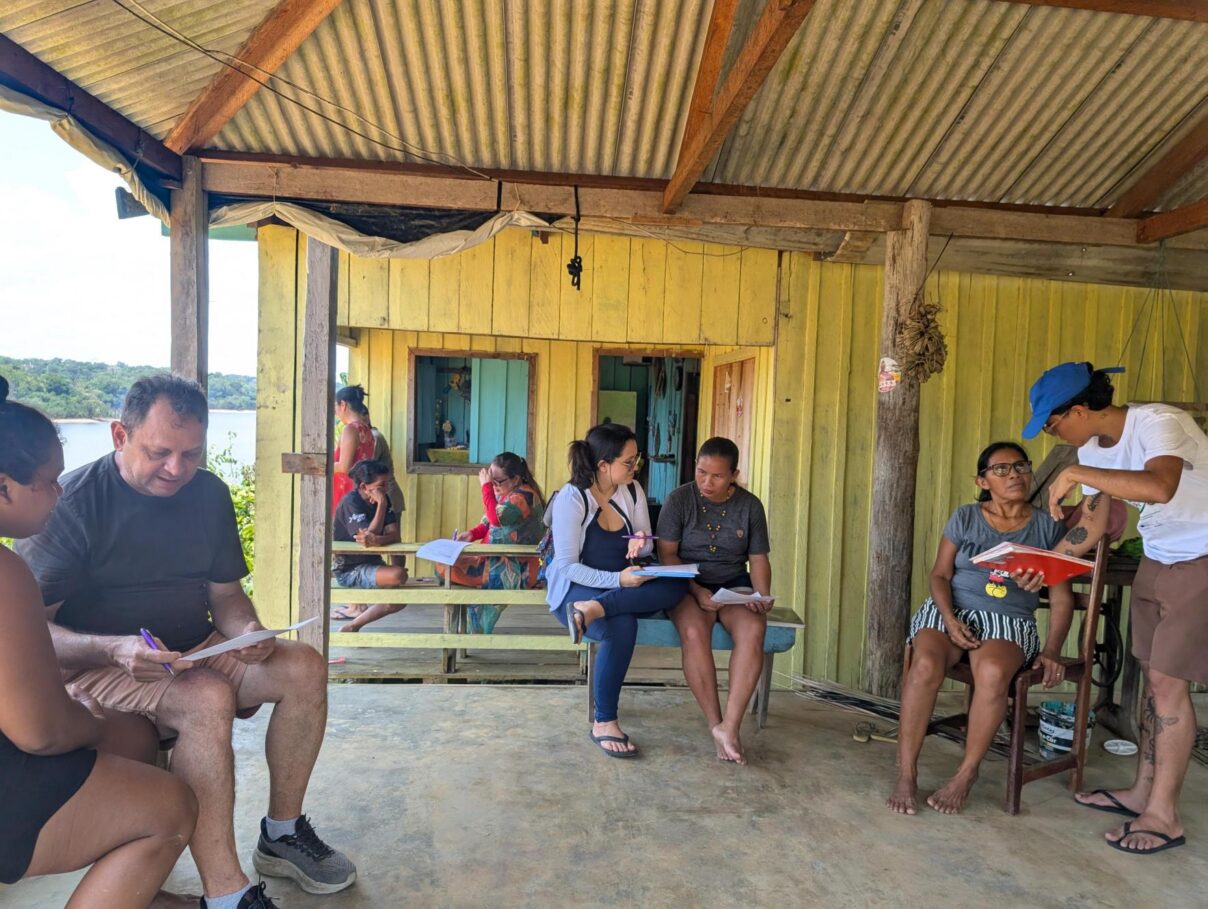
Early Observations
It is important to emphasise that these are early observations rather than project findings. We still have surveys, interviews and discussion recordings that require translation, transcription and analysis.
However, several themes emerged consistently.
The first is that aspiration is not the challenge. The women we met were ambitious, resilient and eager to learn.
The second is that access remains a significant barrier. Access to devices, connectivity, education and training opportunities varies considerably, even within relatively close geographic areas.
The third is that flexibility matters. Many participants described circumstances that make fixed timetables and long-distance travel difficult, suggesting an important role for community-based and flexible learning opportunities.
Perhaps most importantly, our discussions suggest that pathways into higher education cannot be considered in isolation. In some communities, challenges relating to educational continuity, digital access and foundational learning begin much earlier.
Beyond the Research
Alongside the research activity, we have been fortunate to experience the extraordinary beauty of the Amazon region and the warmth of the communities who welcomed us.
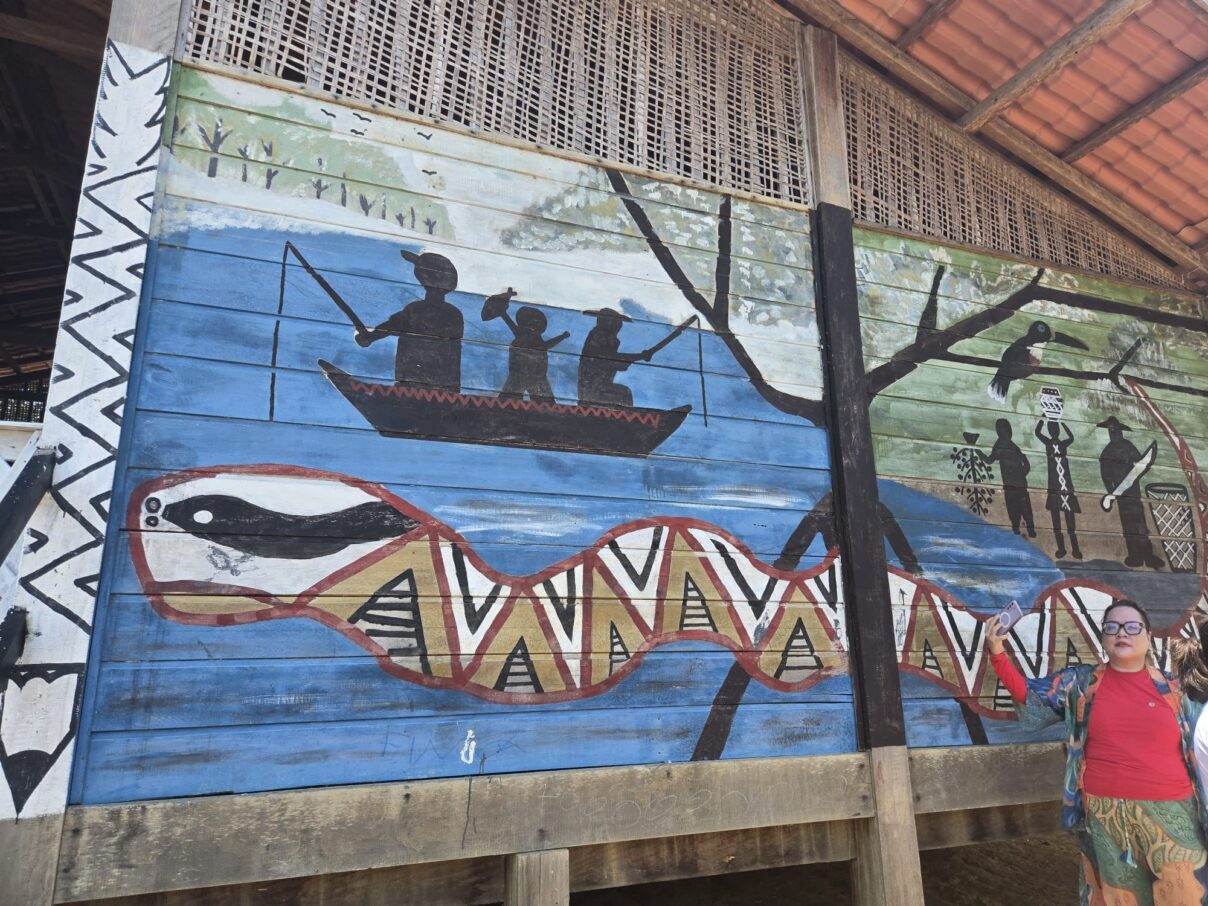
The generosity with which people shared their experiences and perspectives was one of the most memorable aspects of the week. Many participants told us how much they appreciated the opportunity to have their voices heard and contribute to conversations about the future of education and opportunity in their communities.
What Happens Next?
Week one focused on listening and learning.
The next stage of the visit will see the team participate in the CBIE conference, working alongside academics to explore barriers to higher education for women in Brazil and consider how programmes inspired by the TechUP model might be adapted for delivery through Brazilian institutions.
Following the visit, the project team will:
- Translate and transcribe interviews and discussions.
- Analyse survey responses.
- Review existing research and evidence.
- Continue engagement with communities and partners.
- Develop recommendations and potential pilot activities.
While there is still much work to do, one message has already emerged clearly: the communities we met do not lack ambition, curiosity or a desire to learn. The challenge is ensuring that educational opportunities are accessible, flexible and available where people need them most.
We are deeply grateful to everyone who welcomed us into their communities and trusted us with their stories. We look forward to sharing further updates as the project continues.
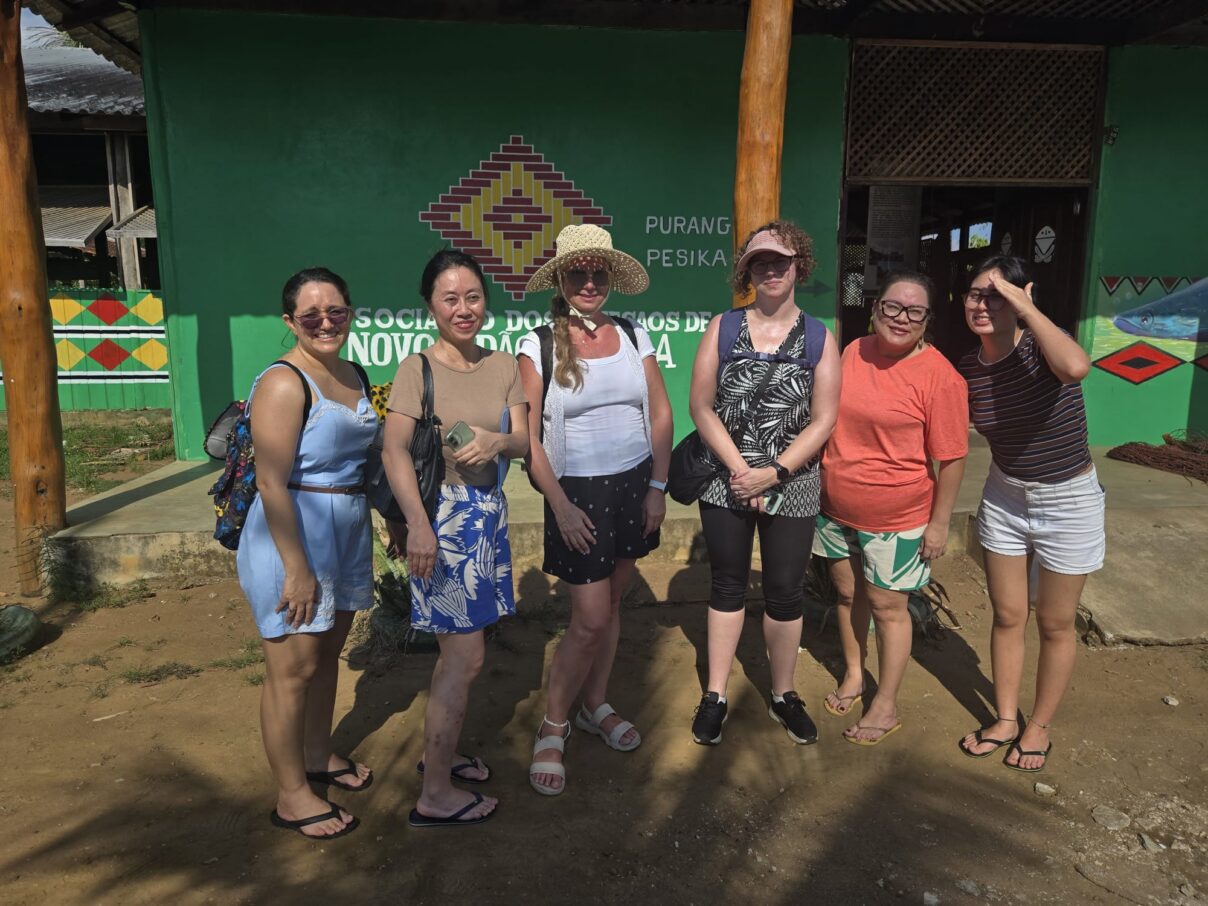
Photo credits: TechUP Brazil project team (photography by members of the UK project team, including Johanna Waite and Alexandra Cristea). Official project photography will feature in future updates.
WC 21/09/2026 – The Journey Begins
After months of planning, we’re excited to be preparing for our trip to Brazil, over the coming weeks, members of the project team will meet with colleagues from our partner universities, visit indigenous communities in the Amazon region, and deliver a workshop at a leading Brazilian computing education conference CBIE 2026.

This visit marks an important milestone for the project. It will provide an opportunity to strengthen relationships with our partners, explore local contexts and challenges, and learn more about the experiences of communities we hope to support through future activities. A core principle of the TechUP Brazil project is mutual learning, and we are looking forward to exchanging ideas, sharing experiences, and learning from the innovative work already taking place across Brazil.
We’re particularly excited to spend time with colleagues in Manaus, Brasília and Goiânia, where we will discuss employability, digital skills, inclusion and access to higher education. Alongside formal meetings and workshops, we hope to gain a deeper understanding of the opportunities and barriers faced by different communities and explore how the TechUP approach can be adapted and developed through international collaboration.
As we prepare to travel, our team has been busy finalising workshop materials, coordinating visits and ensuring we make the most of every opportunity to connect with partners. We look forward to sharing updates, reflections and insights from the visit over the coming weeks.
Watch this space as the next chapter of the TechUP Brazil journey begins.